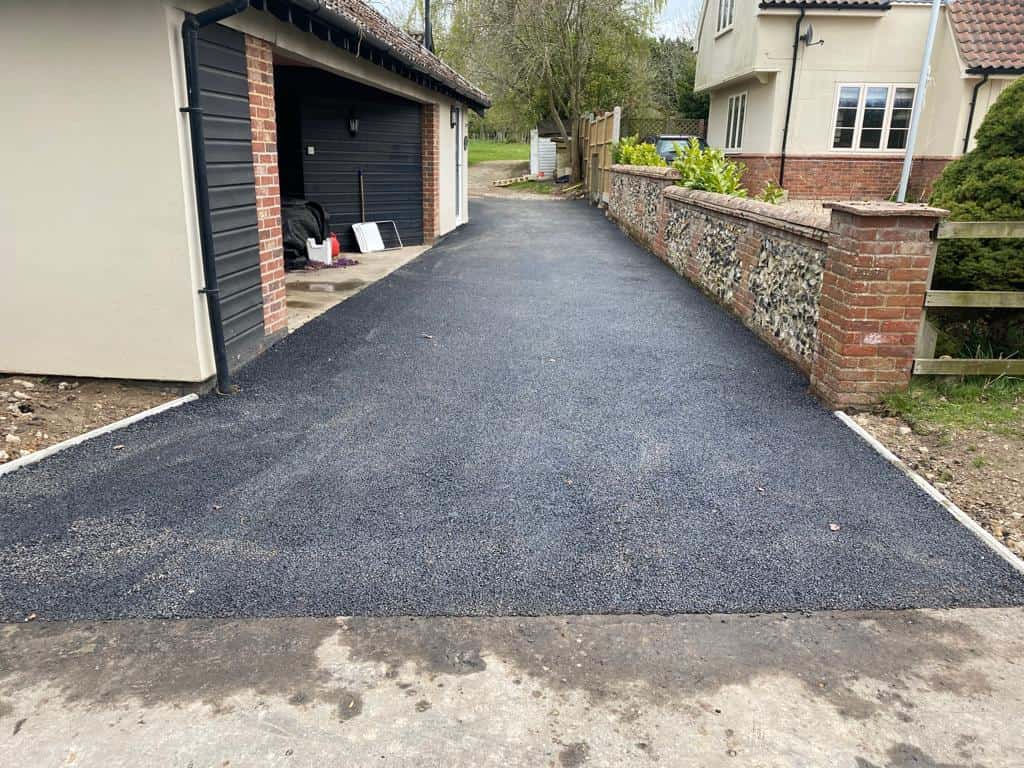
Tarmac Driveways: How to Choose a Durable and Practical Surface for Your Property
Choosing the right driveway surface can improve access to your property, create a tidy entrance and provide a reliable area for everyday parking. Tarmac is a popular option because it offers a smooth, practical finish that can withstand regular vehicle use when properly installed and maintained. However, its long-term performance depends on more than the surface material alone.
For homeowners in St Ives, Cambridgeshire, selecting a suitable tarmac driveway means considering the ground conditions, drainage, vehicle use and layout of the property. St Ives Driveways provides professional driveway services to help property owners choose a surfacing solution that meets their practical needs and complements their outdoor space.
Why Choose Tarmac for Your Driveway?
Tarmac is widely used for residential driveways because it combines a straightforward appearance with practical performance. When installed on a suitable foundation, it can provide a durable surface for everyday access and parking.
Durability for Daily Use
A well-constructed tarmac driveway can accommodate regular vehicle movements without requiring constant attention. Its performance depends on the quality of the materials, appropriate installation and the strength of the supporting layers.
Areas exposed to frequent turning, braking or heavier vehicles may experience greater stress. Considering how the driveway will be used helps determine the most appropriate construction for the property.
A Clean and Versatile Finish
Tarmac creates a consistent surface that can suit a variety of property styles. Its simple appearance can also work well alongside brick edging, paving and landscaped borders.
When planning a driveway, consider the entrance width, parking arrangements and the space needed to manoeuvre vehicles safely. A well-planned layout can make the finished surface more convenient to use while keeping the front of the property looking organised.
Practical Ongoing Maintenance
Like any external surface, tarmac benefits from routine care. Removing debris, checking for cracks and addressing drainage problems can help maintain its condition.
Although tarmac is designed for regular use, it can still deteriorate through ageing, water penetration and repeated loading. Identifying defects early can help prevent minor damage from spreading.
What to Consider Before Installing a Tarmac Driveway
Ground Preparation and Foundation
The foundation is one of the most important factors influencing driveway durability. If the ground beneath the surface is unstable or inadequately compacted, the finished driveway may develop cracks, depressions or uneven areas.
Proper preparation involves assessing the existing ground, dealing with unsuitable material where necessary and creating a stable, compacted sub-base. The exact construction will depend on the site conditions and the types of vehicles using the driveway.
A smooth finish cannot compensate for a weak foundation, so ground preparation should receive as much attention as the visible surface.
Drainage and Water Management
Effective drainage helps protect a driveway from premature deterioration. When water collects in low spots or enters through cracks, it can weaken the supporting layers and contribute to surface damage.
Before installation, consider the natural fall of the ground, existing drainage arrangements and where rainwater will flow. The driveway should be designed to prevent persistent standing water and reduce the risk of water running towards the property.
For properties in St Ives, Cambridgeshire, careful drainage planning can help maintain the driveway through periods of wet weather.
Vehicle Use and Load Requirements
A driveway should be suitable for the vehicles it needs to support. A surface intended for occasional family-car use may require a different construction from one regularly accommodating heavier vehicles.
Consider the number of vehicles, frequency of use and whether they will turn or park repeatedly in the same areas. These details help inform decisions about the foundation and surface construction.
Quality of Installation
Correct laying and compaction are essential for a consistent, reliable finish. Attention should also be given to edges, entrances and transitions between the tarmac and adjoining surfaces.
Poorly compacted areas or weak edges can become vulnerable to cracking and crumbling. Using an experienced driveway contractor helps ensure that preparation, drainage and finishing details are considered together.
How to Maintain a Tarmac Driveway
Once installed, a few straightforward maintenance practices can help keep the driveway in good condition.
- Sweep away leaves, loose stones and other debris regularly.
- Clean up oil and vehicle-fluid spills promptly using suitable methods.
- Inspect the surface for cracks, loose aggregate and sinking areas.
- Check for persistent puddles after rainfall.
- Arrange suitable repairs when defects first appear.
- Avoid placing loads on areas that are not designed to support them.
If cracks repeatedly return or depressions develop, the cause may extend beneath the visible surface. Filling the damage alone may not resolve the problem if the foundation or drainage is contributing to the deterioration.
When Should an Existing Tarmac Driveway Be Repaired or Replaced?
Not every damaged driveway requires complete replacement. Isolated cracks or small areas of wear may be suitable for localised repairs when the surrounding surface remains stable.
However, widespread cracking, significant sinking, loose sections or recurring drainage problems may indicate more extensive deterioration. A professional assessment can help determine whether targeted repairs, resurfacing or reconstruction is the most appropriate option.
St Ives Driveways can help property owners in St Ives, Cambridgeshire, assess the condition of an existing driveway and consider suitable surfacing solutions. Addressing the underlying cause of damage is important for achieving a more reliable result.
Conclusion
A durable and practical tarmac driveway depends on careful planning, suitable ground preparation, effective drainage and quality installation. Regular maintenance and prompt repairs can help preserve the surface and reduce the risk of premature deterioration.
If you are considering a new tarmac driveway or need advice about an existing surface, contact St Ives Driveways to discuss your requirements in St Ives, Cambridgeshire, and arrange professional guidance on the right solution for your property.
Call us on: 01480 271 895
Click here to find out more about St Ives Driveways
Click here to complete our contact form and see how we can help with your driveway needs.